
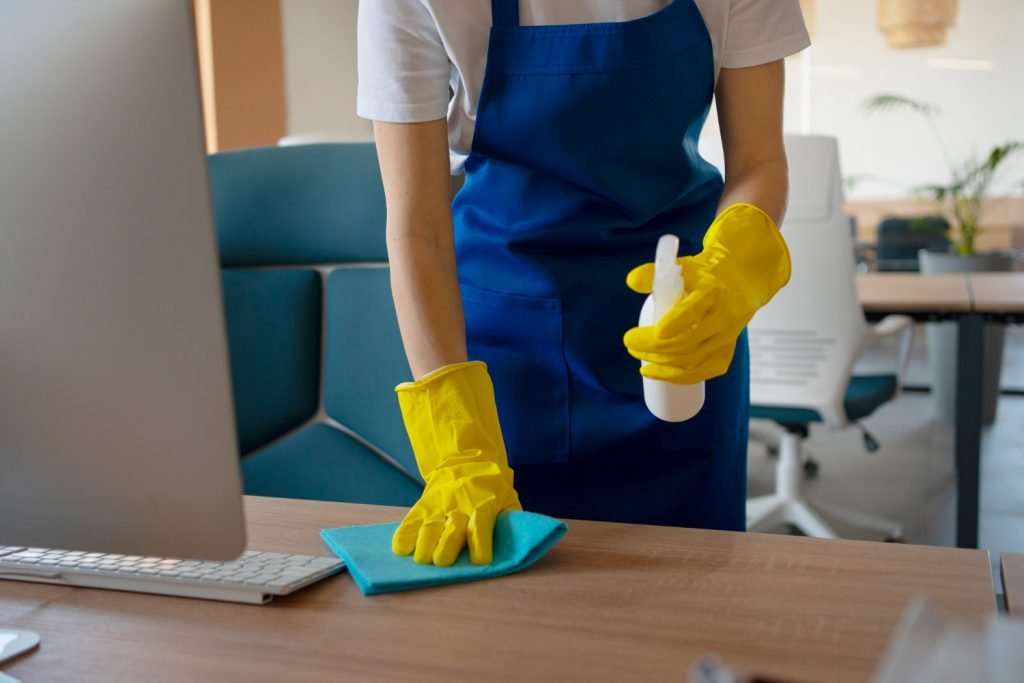
Learn the meaning of “cleaning” in English with examples, uses, synonyms, and daily relevance. Understand how it fits into everyday language and professional services.
“Cleaning” is a noun in English that means the process of removing dirt, dust, or unwanted substances from surfaces, spaces, or items. It refers to activities like tidying, scrubbing, washing, or sanitizing homes, offices, and objects. The word is commonly used in both personal and professional contexts and plays a vital role in hygiene and public health.
Do you ever feel like no matter how hard you try, your home never really feels clean?
I used to think wiping down a table or sweeping the floor was enough—until I learned what real cleaning meant. It’s not just about tidying up—it’s about creating a healthier, more peaceful space where you and your family can truly breathe easy. Let’s break down what “cleaning” actually means, how it’s used in the English language, and why it’s so important in our everyday lives.
🧹 What Is the Meaning of “Cleaning” in English?
The word “cleaning” is a noun, often used to describe the act or process of removing dirt, stains, or unwanted particles from a surface, object, or area.
- Phonetic Pronunciation: /ˈkliː.nɪŋ/
- Part of Speech: Noun (Uncountable)
- Meaning: The action or process of making something clean, especially spaces like homes, offices, or public areas.
🔎 Examples in Sentences:
- “It’s my turn to do the cleaning this weekend.”
- “She has a part-time cleaning job at a hotel.”
- “The office needs thorough cleaning before the client arrives.”
🧽 Types of Cleaning Explained
Cleaning isn’t a one-size-fits-all activity. Depending on the space and purpose, different types of cleaning exist. Here’s a closer look:
1. Residential Cleaning
This includes daily home chores like:
- Sweeping and mopping floors
- Washing dishes
- Dusting furniture
- Cleaning bathrooms
It helps maintain a tidy and safe environment at home.
2. Commercial Cleaning
Targeted at businesses and workplaces:
- Cleaning lobbies and desks
- Vacuuming carpets
- Sanitizing restrooms
- Window cleaning
Clean offices improve employee morale and leave a good impression on clients.
3. Deep Cleaning
Involves cleaning areas that are often neglected:
- Behind appliances
- Air vents
- Inside ovens and fridges
- High-touch surfaces like light switches
Usually done quarterly or yearly for health reasons.
4. Move-In/Move-Out Cleaning
Done when tenants shift homes:
- Scrubbing kitchens and bathrooms
- Removing stains from walls and floors
- Clearing out debris and trash
Real estate agents and landlords often require this for property readiness.
🧴 Common Cleaning Tools and Supplies
Using the right tools makes cleaning more effective. Here are some essentials:
| Tool | Use |
|---|---|
| Broom and Dustpan | For sweeping floors |
| Vacuum Cleaner | To remove dust from carpets and sofas |
| Mop and Bucket | For cleaning hard floors |
| Disinfectant Spray | To kill germs on surfaces |
| Microfiber Cloths | Ideal for dusting and polishing |
| Sponges and Scrubs | For kitchen and bathroom cleaning |
| Rubber Gloves | To protect hands from chemicals and germs |
🦠 Why Cleaning Is So Important
Cleaning is not just about appearance—it’s vital for health, safety, and emotional well-being. Here’s why:
1. Reduces Risk of Illness
According to the CDC, maintaining clean environments helps stop the spread of bacteria and viruses. Regular disinfection especially helps prevent colds, flu, and foodborne illnesses.
2. Boosts Mental Health
Studies show that people feel less stressed and more focused in clean spaces. A clutter-free home can lower anxiety and even help you sleep better.
3. Improves Air Quality
Dust, pet dander, and mold can affect indoor air. Cleaning removes these allergens, making breathing easier—especially for those with asthma.
4. Enhances Safety
Cleaning clears up clutter that can cause slips, trips, or falls. This is especially important for homes with children or elderly people.
📘 Cleaning in English Language – A Linguistic Breakdown
In the English language, “cleaning” is used in various contexts. Let’s explore its grammatical uses:
✅ As a Noun:
- “Cleaning takes a lot of time, but it’s worth it.”
✅ As Part of a Compound Noun:
- Cleaning service
- Cleaning supplies
- Cleaning crew
These are common terms in both daily and professional conversations.
✅ As a Gerund (Verb + ing form):
- “He is cleaning the kitchen.”
Here, “cleaning” functions as part of a verb phrase.
📚 Synonyms and Related Words
To build a richer vocabulary, here are some common synonyms:
- Tidying
- Washing
- Scrubbing
- Sanitizing
- Disinfecting
- Polishing
- Dusting
Related Phrases:
- “Spring cleaning” – a tradition of deep cleaning in springtime
- “Household chores” – includes cleaning and other domestic tasks
- “Spotless clean” – extremely clean
🧼 Cleaning in Modern Life and Services
Cleaning today goes beyond home chores. Many people now rely on professional services to keep their homes and workplaces clean. Trained cleaners use advanced tools, eco-friendly products, and proven techniques to save time and deliver spotless results.
For those who value time, hygiene, and peace of mind, hiring cleaning professionals is becoming the smart choice. Whether you need deep cleaning, move-out cleaning, or weekly maintenance, these services help maintain a healthy, welcoming space.
🧠 Fun Facts About Cleaning
- The average person spends 6 hours a week cleaning their home.
- Over 80% of germs are transferred by hands onto surfaces.
- Using white vinegar is an age-old eco-friendly cleaning trick.
🧼 Cleaning in Different Languages
The word “cleaning” exists in most languages, often linked with the idea of purity and order.
| Language | Word for “Cleaning” |
|---|---|
| Spanish | Limpieza |
| French | Nettoyage |
| German | Reinigung |
| Hindi | सफाई (Safai) |
| Chinese | 清洁 (Qīngjié) |
| Arabic | تنظيف (Tanzeef) |
🗣️ Common English Idioms Related to Cleaning
- “Come clean” – To confess the truth
- “A clean slate” – A fresh start
- “Clean as a whistle” – Extremely clean or innocent
🧼 Real-Life Application and Importance
Whether it’s a weekend chore or a full-service deep clean, the act of cleaning brings real-world benefits that go far beyond appearance. It’s linked to hygiene, peace of mind, and even social respect. Clean environments support better relationships, stronger work performance, and greater self-esteem.
If you’re too busy to manage all the tasks, trained professionals can handle cleaning tasks for you. Clients can choose services based on what they need—weekly touch-ups, seasonal deep cleans, or pre-event shine-ups.
✨ Final Thoughts
Cleaning is more than a word—it’s a daily necessity. It touches every part of life, from your living room to your local clinic. Understanding the English meaning of “cleaning” helps you appreciate the work behind the sparkle, and why it matters for your health and happiness.
📌 8 Quick FAQs About “Cleaning”
1. What does cleaning mean in English?
Cleaning means removing dirt, dust, or mess from a place or item to make it tidy and safe.
2. Is “cleaning” a verb or noun?
It’s a noun. The verb form is “to clean”.
3. What are types of cleaning?
Home, office, deep, spring, and move-out cleaning.
4. Why is cleaning important?
It prevents disease, boosts mood, and keeps spaces safe.
5. What tools are used for cleaning?
Vacuum, mop, broom, disinfectant spray, and microfiber cloths.
6. What’s a common idiom about cleaning?
“Come clean” means to tell the truth.
7. Is hiring professional cleaners helpful?
Yes. They save time and offer deep, effective cleaning.
8. How often should I deep clean?
At least once every 3–6 months.