
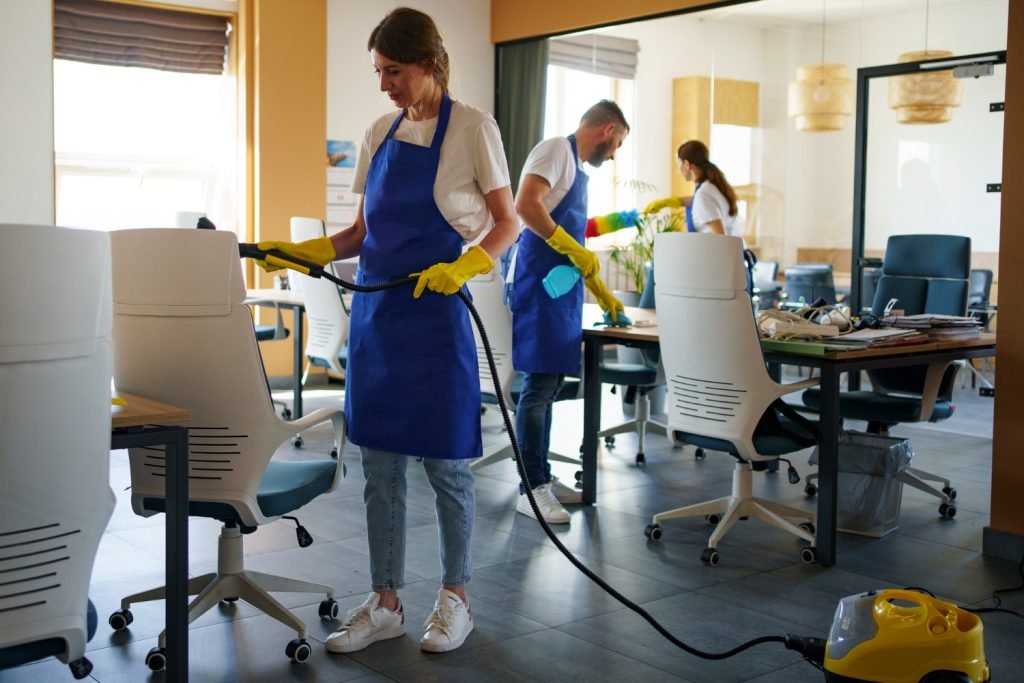
Discover the importance of deep-cleaning for homes and businesses, including benefits, process, safety standards, and when professional cleaning is essential.
Deep-cleaning is a thorough cleaning process that targets dirt, bacteria, and viruses on high-touch and hard-to-reach areas. It includes disinfecting floors, walls, doorknobs, and surfaces using CDC-approved cleaning products. This process removes harmful pathogens and ensures a safe, sanitized environment, especially in homes, offices, schools, and healthcare settings. It is crucial for preventing illness and improving hygiene.
Have you ever cleaned your house top to bottom and still felt like something wasn’t quite right? Like, no matter how often you sweep and mop, there’s still dust in corners, germs hiding on door handles, and odors that linger? I’ve been there—and that’s exactly when I learned about deep-cleaning. It’s not your regular tidy-up. It’s what truly gets rid of the unseen stuff that causes illness and discomfort. Let me walk you through what deep-cleaning really means, when you need it, and how it helps create a healthier space for everyone.
✅ What Is Deep-Cleaning?
Deep-cleaning is an intense and detailed form of cleaning that goes beyond surface-level dusting or vacuuming. It removes built-up grime, bacteria, viruses, mold spores, and allergens from every corner of a space. Unlike regular cleaning, which focuses on visible dirt, deep-cleaning tackles both visible and invisible threats using strong disinfectants and specialized tools.
This type of cleaning is ideal for:
- Homes
- Offices
- Restaurants
- Schools
- Medical clinics
- Public buildings
According to the Centers for Disease Control and Prevention (CDC), cleaning and disinfecting high-touch surfaces regularly is one of the best defenses against the spread of infectious diseases, including flu and COVID-19.
📋 Key Areas Targeted During Deep-Cleaning
Deep-cleaning covers every part of a room, especially areas that people touch frequently but often overlook in everyday cleaning. These include:
- Door handles
- Light switches
- Remote controls
- Computer keyboards and mice
- Phones and tablets
- Toilet flushers and faucets
- Kitchen appliances and counters
- Baseboards and ceilings
- Floor corners and under furniture
These surfaces can harbor millions of bacteria per square inch, especially in high-traffic areas. Proper deep-cleaning eliminates these pathogens to create a safer environment.
🧼 Deep-Cleaning Process: Step by Step
Here’s how professional deep-cleaning works, step by step:
- Assessment: Professionals inspect the area and identify surfaces that need extra attention.
- Preparation: Technicians wear PPE (personal protective equipment) and prepare the area by removing clutter.
- Dusting & Vacuuming: Walls, ceilings, fans, and vents are dusted and vacuumed using HEPA-filter vacuums.
- Disinfection: Surfaces are scrubbed with CDC-approved disinfectants that kill 99.9% of germs and viruses.
- Sanitization: After cleaning, a fogging or spray mist is used to sanitize the space entirely.
- Final Inspection: A last check ensures all germs, odors, and stains are completely removed.
All cleaning products used are safe for humans, pets, and the environment when applied correctly.
🛑 Why Regular Cleaning Isn’t Enough
Regular cleaning helps maintain appearance, but it doesn’t always kill bacteria or remove deep-seated dirt. For example:
- Kitchen sponges can carry up to 362 different types of bacteria.
- Office keyboards can be 5 times dirtier than a toilet seat.
- Dust buildup can worsen asthma or allergies.
Without deep-cleaning, these hidden dangers remain—and can lead to health problems, especially in shared spaces.
🏥 Importance of Deep-Cleaning in Healthcare and Commercial Spaces
In hospitals, clinics, nursing homes, and dental offices, deep-cleaning is not optional—it’s essential. The World Health Organization (WHO) recommends strict hygiene controls in medical environments because cross-contamination can lead to serious infections.
Similarly, businesses like restaurants, gyms, daycares, and retail stores must follow public health standards to protect customers and staff. Failing to maintain a clean environment could result in health code violations or the spread of disease.
👨👩👧👦 When You Should Schedule Deep-Cleaning
Here are situations when deep-cleaning becomes necessary:
- After a flu outbreak or illness in the home
- Before or after hosting a large event
- Moving into a new home or apartment
- Spring cleaning or seasonal resets
- Before reopening a business
- Post-construction or renovation
- After flood, smoke, or mold damage
In emergencies (like COVID-19 contamination), deep-cleaning services are often available 24/7 to ensure public and employee safety.
🧪 Cleaning vs. Sanitizing vs. Disinfecting – What’s the Difference?
It’s important to understand the difference between these terms:
| Term | What It Does | Example Use |
|---|---|---|
| Cleaning | Removes dirt and dust | Sweeping floors |
| Sanitizing | Reduces bacteria | Kitchen counters |
| Disinfecting | Kills viruses and bacteria | Bathroom handles |
Deep-cleaning usually includes all three steps for complete hygiene.
📊 Stats That Show Why Deep-Cleaning Matters
- 80% of infections spread by hands and contact surfaces.
- 1 in 6 people in the U.S. get food poisoning each year, often due to dirty kitchens.
- Allergy symptoms are reduced by up to 60% after proper deep-cleaning.
- MRSA (a dangerous bacteria) can survive on surfaces for days without disinfection.
These facts prove that regular surface wiping isn’t enough—deep-cleaning is vital for safety and health.
🧰 Tools & Products Used in Deep-Cleaning
Professional deep-cleaning companies use advanced tools such as:
- HEPA Vacuums: Trap tiny particles and allergens
- Steam Cleaners: Sanitize without chemicals
- Electrostatic Sprayers: Evenly coat surfaces with disinfectants
- Fogging Machines: Cover large areas quickly with sanitizing mist
- ATP Meters: Measure cleanliness based on microbial levels
Approved disinfectants from brands like Clorox®, Lysol®, and Diversey® are commonly used for best results.
🏢 Deep-Cleaning for Businesses and Workplaces
Clean workspaces promote productivity and reduce sick days. A study from the American Journal of Infection Control found that deep-cleaning in offices decreased absenteeism by 46%.
Workplace deep-cleaning includes:
- Cubicles and desks
- Break rooms and kitchens
- Meeting rooms
- Bathrooms
- Reception and waiting areas
- Shared equipment and electronics
It sends a clear message to employees and clients: Your health matters.
🏡 Deep-Cleaning at Home
Home is where we should feel safest. But if deep-cleaning isn’t done regularly, it can become a breeding ground for bacteria. Deep-cleaning a home involves:
- Scrubbing bathrooms and kitchens
- Cleaning behind appliances
- Shampooing carpets and upholstery
- Wiping baseboards and vents
- Washing windows and blinds
Many families hire a professional team every 6 months for a full home refresh.
🛡️ Safety Standards and Guidelines Followed
Professional deep-cleaners follow CDC, Health Canada, and OSHA guidelines to ensure safety:
- Use of PPE (gloves, masks, goggles)
- Use of EPA-registered disinfectants
- Proper waste disposal
- Documentation and proof of disinfection (upon request)
This gives customers peace of mind, knowing that health protocols are strictly followed.
🚨 Emergency Deep-Cleaning Services
Sometimes urgent situations call for immediate response—such as:
- Suspected virus exposure
- Flooding or sewage backup
- Mold infestation
- Biohazard incidents
Top companies offer 24/7 emergency deep-cleaning and can dispatch teams within hours to contain and neutralize the hazard.
💬 Final WordsDeep-cleaning isn’t just about making a place look nice—it’s about creating a healthy, safe environment for everyone who enters. From stopping germs in their tracks to removing allergens, this thorough process plays a critical role in today’s hygiene-driven world.
Whether you’re managing a business, protecting your family, or reopening after a renovation or outbreak, deep-cleaning gives you the clean slate you need—literally.
🙋♂️ FAQs – Deep-Cleaning
1. How often should I get deep-cleaning done?
Every 3 to 6 months is recommended for homes; businesses may need it monthly depending on foot traffic.
2. Can deep-cleaning kill viruses like COVID-19?
Yes. Certified disinfectants and procedures used in deep-cleaning are proven to kill viruses including COVID-19.
3. What’s the difference between deep-cleaning and regular cleaning?
Regular cleaning removes surface dirt; deep-cleaning eliminates deep grime, bacteria, and germs.
4. Is deep-cleaning safe for kids and pets?
Yes. Reputable companies use safe, non-toxic disinfectants and take proper safety measures.
5. How long does deep-cleaning take?
It depends on the size of the area. A home may take 4–6 hours; commercial buildings may take longer.
6. Does deep-cleaning remove mold?
Yes. Professionals use mold-specific solutions to clean and treat affected areas.
7. Are deep-cleaning services expensive?
Prices vary by location and size, but the health benefits and peace of mind make it a worthwhile investment.
8. Do I need to leave my home or office during cleaning?
Sometimes, especially during fogging or chemical use. Your provider will guide you.